Is SkinnyRx legit and worth it?
SkinnyRx is a real GLP-1 telehealth provider; we read its site and scored it 3.5/5 in our independent review (Use Caution). It is best for generally healthy patients who have already consulted their primary care physician and simply want an affordable, low-friction way to access compounded semaglutide. Biggest plus: Three delivery formats: oral tablets, oral drops, and injectable — maximum flexibility. Watch-out: No lab testing included — no metabolic screening or monitoring.
Scorecard: strongest in Access (5.0/5) and Reputation (5.0/5); weakest in Support (2.5/5) and Clinical Quality (2.5/5).
Medications
Compounded Semaglutide (oral tablets, oral drops, injectable) (as listed on its site, 7 April 2026)
Monthly Cost
$199-$359/mo (as listed on its site, 7 April 2026)
Speed to Start
Very Fast
Prices and medications in this review are as listed on SkinnyRx’s site on 7 April 2026, unless a line is marked otherwise, and have not been re-checked since. Note added 13 October 2026.
Corrected 14 October 2026: this review previously gave a Better Business Bureau rating or listing status. We kept no record of where it came from, so it has been removed. Trustpilot figures in this review are as recorded in April 2026 and have not been re-checked.
Est. 2023
About SkinnyRx
SkinnyRx entered the GLP-1 telehealth market in 2023 with an unusual value proposition: no appointment required. Unlike most competitors that mandate at least one synchronous or asynchronous provider consultation, SkinnyRx allows patients to obtain compounded semaglutide through a questionnaire-only workflow. The company offers multiple delivery formats including oral tablets, sublingual drops, and traditional injectables, with pricing between 199 and 359 per month.
The variety of formulations is a legitimate differentiator. Many patients are needle-averse, and SkinnyRx’s oral and sublingual options remove that barrier entirely. That said, our editorial team notes that compounded oral semaglutide has limited published data on bioavailability compared to the FDA-approved oral formulation (Rybelsus), and patients should discuss absorption expectations with their own physician. The pricing is competitive, particularly at the 9 entry tier for oral formats.
SkinnyRx’s Trustpilot profile is impressive on the surface: a 4.8-star rating from 4,900+ reviews. This is one of the highest satisfaction scores in the GLP-1 telehealth category. Patients consistently praise the ease of ordering and the quality of the oral formulations. The B rating from the BBB is also above average for the industry, suggesting fewer unresolved complaints than many peers.
The no-appointment model raises clinical oversight concerns, however. Weight-loss medications, including GLP-1 receptor agonists, carry real risks including pancreatitis, gallbladder disease, and thyroid complications. A questionnaire alone may not catch contraindications that a live consultation would surface. SkinnyRx provides minimal ongoing support with no lab monitoring, no dietitian access, and limited check-in protocols. For patients with comorbidities or complex medical histories, this hands-off approach could be problematic.
SkinnyRx is best understood as a convenience-first platform. It removes friction from the prescribing process more aggressively than almost any competitor, and its patient satisfaction numbers reflect genuine appreciation for that ease. But convenience and clinical rigor can be in tension, and GLP-1.Reviews believes the lack of a required medical consultation is a meaningful tradeoff that patients should enter with open eyes.
SkinnyRx GLP-1 Medications
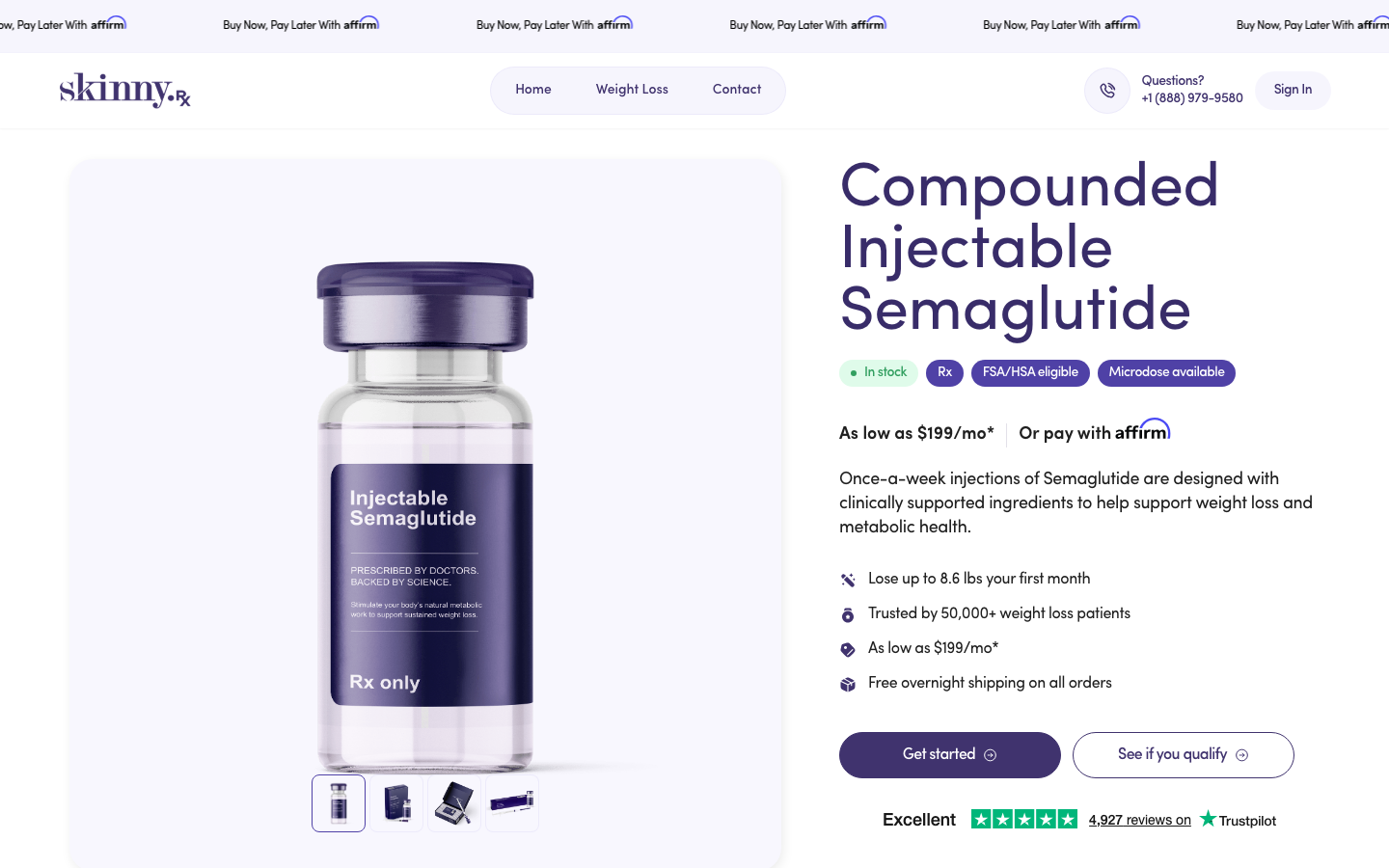 Screenshot of SkinnyRx, captured by 10 April 2026
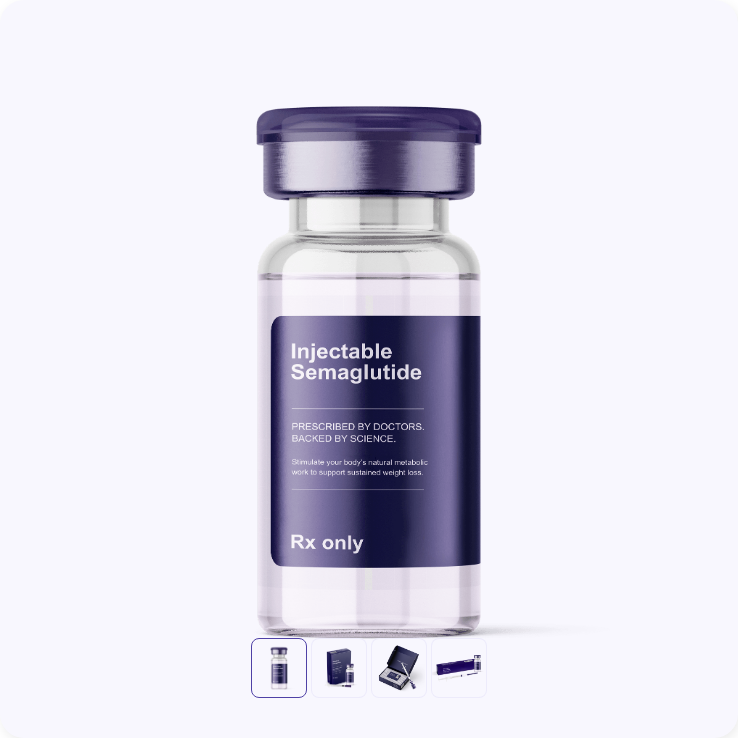 Screenshot of SkinnyRx, captured by 10 April 2026
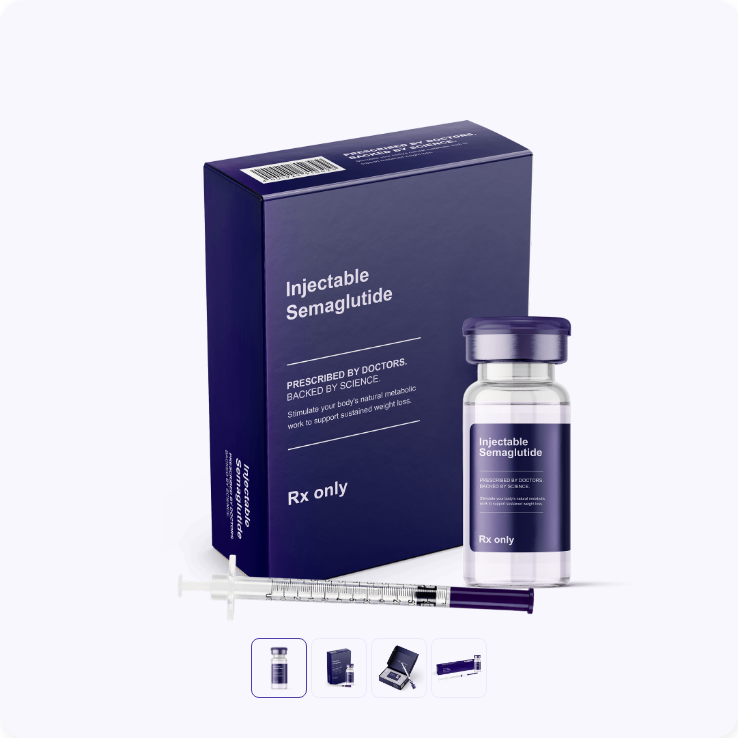 Screenshot of SkinnyRx, captured by 10 April 2026
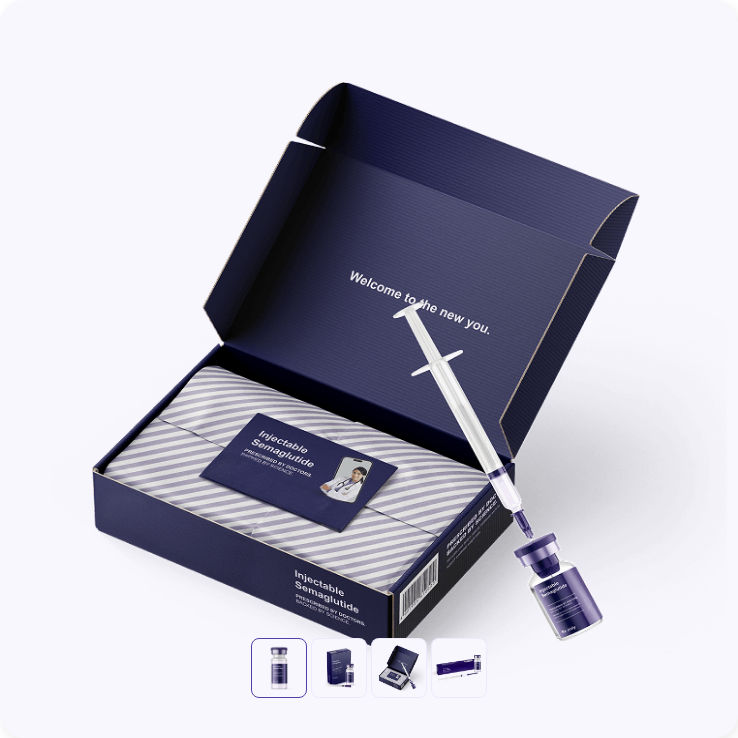 Screenshot of SkinnyRx, captured by 10 April 2026
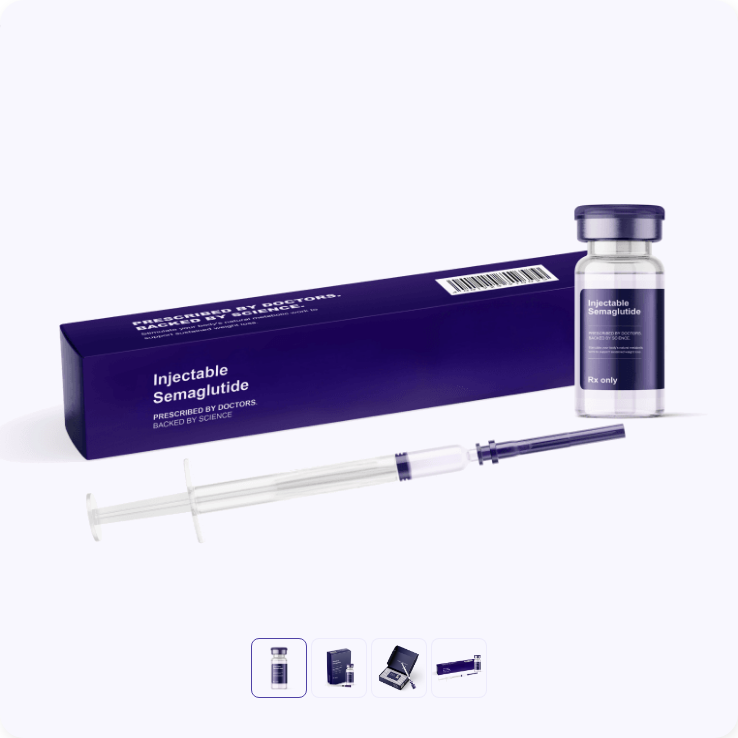 Screenshot of SkinnyRx, captured by 10 April 2026
At a Glance
Medications Offered
Compounded Semaglutide (oral tablets, oral drops, injectable)
Compounded
Cost & Insurance
- Monthly: $199-$359/mo (as listed on its site, 7 April 2026)
- 6-month estimate: $1,194-$2,154 (as listed on its site, 7 April 2026)
- Insurance: No
- Self-pay: Yes
Clinical Features
- Lab testing: No
- Dietitian access: No
- Pharmacies named: 503A state-licensed, FDA-regulated compounding pharmacies
Delivery & Access
- Format: Both (oral/tablets + subcutaneous)
- Nationwide telehealth: Yes
- Speed: Very Fast
- Spanish-speaking providers: Not stated Corrected 13 October 2026: this line said “Not available”, but our research had recorded it as unknown.
Medical Disclaimer: This review is for informational purposes only and does not constitute medical advice. GLP-1 medications are prescription drugs that should only be used under the supervision of a licensed healthcare provider. Individual results may vary.
Editorial Independence: GLP-1.Reviews maintains full editorial independence. We read providers’ own pages and public records and publish what we find, with the date we checked.
What the SkinnyRx Intake Looks Like
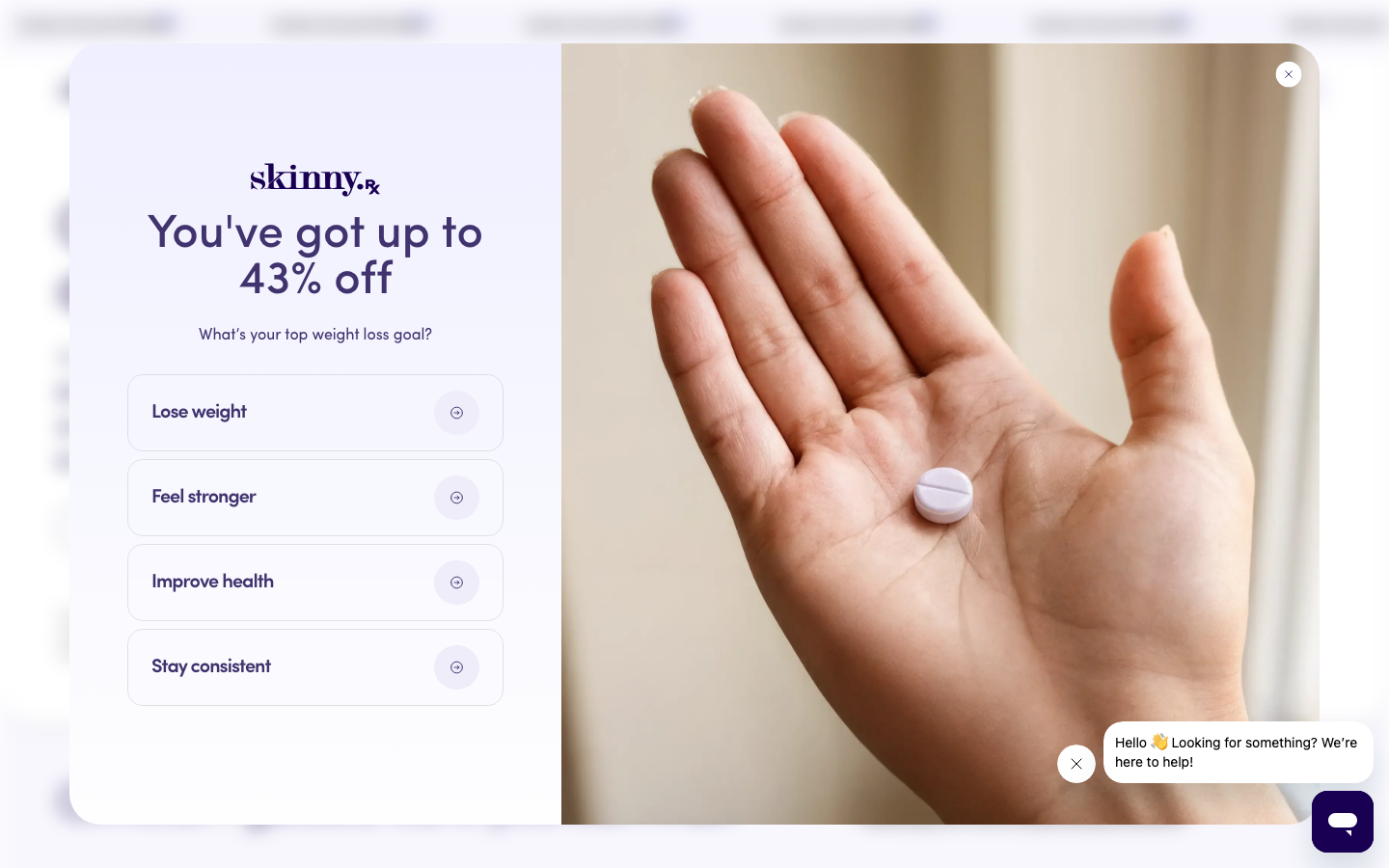
We walked through SkinnyRx’s full intake ourselves, from the opening goal selection through the 21-screen medical history, the informed-consent gate, the 5-medication shelf, and final payment. The intake is one of the most thorough in our catalog — 44 screens split into explicit Goals, Medical History, and Contact sections with a progress counter at the top of every page.
Corrected 13 October 2026: this review showed a “Verified Provider” badge and said our scores were “based on verified data and standardized criteria”. Neither described a check we had done, so both have been removed.
One of the most thorough written intakes in the catalog. Separate personal AND family history screens for MEN2 and MTC, self-reported blood pressure and resting heart rate, a dedicated GLP-1 informed consent screen, lab-test availability, comorbidity multi-select, allergies, and a current medications list.
Moderate. 44 screens is a longer path than average, but every question is short, the progress counter is transparent, the clinician review is async, and the 6-month prepay plan commits to $1,974 in one charge. Affirm and Google Pay surface at checkout.
The 10 Stages
Clinical Safety Screens Performed
SkinnyRx is one of the few platforms in our catalog that splits the FDA black-box screen into two separate questions: a combined personal-history screen covering pancreatitis, Type 1 diabetes, Crohn’s, ulcers, diabetic retinopathy, medullary thyroid cancer, and MEN-2, followed a few screens later by a stand-alone “Do you have a family history of MEN2 or medullary thyroid cancer?” The FDA black-box warning language applies to both personal and family history, and very few GLP-1 intakes surface the family history question at all.
Almost no GLP-1 telehealth intake asks the patient to self-report blood pressure and resting heart rate ranges — most defer that to the live visit or skip it entirely. SkinnyRx surfaces both with four-tier ordinal scales (BP: normal, elevated, Stage 1, Stage 2; HR: slow, normal, slightly fast, fast) and includes an explicit “I don’t know” option. It’s not a replacement for an actual measurement, but it is a meaningful screening signal and a useful conversation starter for the clinician review.
SkinnyRx includes a dedicated GLP-1 informed consent screen that names the three active molecules (liraglutide, semaglutide, tirzepatide), their brand names, and explains their three mechanisms of action — increasing insulin production from the pancreas, decreasing glucagon release after a meal, and slowing gastric emptying — before asking for an explicit yes/no consent “to being treated with GLP-1 agonists. I have reviewed the risks and benefits above.” That’s more substantive than the bundled Terms + Privacy click-through most platforms rely on.
For all its rigor on the medical side, the quiz does not include a validated PHQ-2 or PHQ-9 depression instrument (mood changes are captured only as a “recent symptoms” multi-select), a dedicated eating disorder screen, a dedicated substance use or alcohol screen, or a pregnancy / breastfeeding question in the captured flow. The shipping screen warns that the patient’s full name must match a government-issued photo ID but does not actually collect an ID upload, and there is no phone OTP. These are notable gaps for a platform that otherwise screens more aggressively than most of its peers.
After the “Your intake has been accepted” screen, SkinnyRx applies mild urgency with a 15-minute checkout countdown and a five-option medication shelf: Injectable Tirzepatide $299/mo, Tirzepatide Tablets $299/mo, Sublingual Semaglutide Tablets $249/mo, Injectable Semaglutide $199/mo, and Oral Semaglutide $199/mo. Plan selection is 12 months at $299/mo, 6 months at $329/mo (auto-renewing with a $1,974 prepay), or 1 month at $399/mo. Payment methods include Google Pay, credit card, and Affirm “buy now, pay later”. FSA/HSA eligible for reimbursement. The 6-month auto-renew is the default — patients evaluating SkinnyRx should note that selecting the “best savings” plan commits to a single $1,974 charge today.
Source: GLP-1.Reviews editorial walkthrough on April 13, 2026. We completed every screen of the SkinnyRx intake using a representative GLP-1 candidate persona and stopped before submitting any payment information.
Opens skinnyrx.com in a new tab. We may earn a commission if you start treatment through this link, at no additional cost to you.