

Category: Comparison
The Full GLP 1 Medications List: Comparing Every GLP 1 Drug for Weight Loss
Navigating the world of GLP-1 medications can feel like reading a foreign language. Between brand names like Ozempic, Wegovy, and Mounjaro, and active ingredients like semaglutide and tirzepatide, it’s easy to get overwhelmed. Whether you are looking for weight management solutions or managing Type 2 diabetes, having a clear glp 1 drugs list is the first step in understanding your options.
At GLP-1 Reviews, we track the intersection of healthcare and technology. As the landscape of metabolic health evolves, the number of available glp 1 medications continues to grow. This guide provides a comprehensive breakdown of the current FDA-approved options, how they differ, and what the clinical data says about their efficacy.
Quick Glance: Top GLP-1 Medications Data Points
| Medication | Active Ingredient | Frequency | Primary Use | Efficacy Score |
|---|---|---|---|---|
| Wegovy | Semaglutide | Weekly | Weight Loss | 9.5/10 |
| Zepbound | Tirzepatide | Weekly | Weight Loss | 9.8/10 |
| Ozempic | Semaglutide | Weekly | Type 2 Diabetes | 9.2/10 |
| Mounjaro | Tirzepatide | Weekly | Type 2 Diabetes | 9.7/10 |
| Saxenda | Liraglutide | Daily | Weight Loss | 7.5/10 |
| Rybelsus | Semaglutide | Daily (Oral) | Type 2 Diabetes | 8.0/10 |
What Are GLP-1 Medications?
Glucagon-like peptide-1 (GLP-1) receptor agonists are a class of drugs that mimic a hormone naturally produced in your gut. This hormone plays a critical role in regulating blood sugar levels and appetite. When you eat, GLP-1 signals your pancreas to release insulin, prevents your liver from making too much glucose, and: crucially for weight loss: slows down gastric emptying. This makes you feel fuller for longer.
While the first list of glp 1 medications focused primarily on diabetes, the massive weight loss results observed in clinical trials led to the development of specific brands dedicated solely to chronic weight management.
The Full GLP 1 Medications List by Active Ingredient
To understand the marketplace, you have to look at the molecules behind the brand names. Here is the definitive breakdown of the current glp 1 medications available.
1. Semaglutide (The Most Famous GLP-1)
Semaglutide is arguably the most well-known ingredient in this category. It is a long-acting GLP-1 receptor agonist that only needs to be administered once a week (or daily in pill form).
- Wegovy: Specifically FDA-approved for chronic weight management. It generally uses a higher maintenance dose than its diabetes-focused counterparts.
- Ozempic: Approved for Type 2 diabetes and to reduce the risk of major cardiovascular events (like heart attack or stroke) in adults with known heart disease.
- Rybelsus: The only oral version in our glp 1 drugs list. It is a daily tablet approved for Type 2 diabetes.
Criteria Ratings for Semaglutide:
- Weight Loss Efficacy: 9/10
- Convenience (Injectable): 9/10
- Convenience (Oral): 7/10 (requires strict fasting protocols)
- Heart Health Benefits: 10/10
2. Tirzepatide (The "Twincretin")
Tirzepatide is a newer generation of medication. It is a dual agonist, meaning it mimics both GLP-1 and GIP (glucose-dependent insulinotropic polypeptide). By targeting two hormone pathways, it often yields higher weight loss percentages in clinical trials.
- Zepbound: The weight-loss-specific version of tirzepatide.
- Mounjaro: The version indicated for Type 2 diabetes.
Criteria Ratings for Tirzepatide:
- Weight Loss Efficacy: 10/10
- Convenience: 9/10
- Hormonal Synergy: 10/10
3. Liraglutide (The Daily Injectable)
Before the weekly shots took over, liraglutide was the standard. It has a shorter half-life, meaning it must be injected every day.
- Saxenda: Approved for weight loss.
- Victoza: Approved for Type 2 diabetes.
Criteria Ratings for Liraglutide:
- Weight Loss Efficacy: 7/10
- Convenience: 5/10 (Daily injections)
- Safety Record: 10/10 (Long-term market presence)
4. Dulaglutide
Commonly known by the brand name Trulicity, this is a once-weekly injection used for Type 2 diabetes. While it does contribute to weight loss, it is not currently FDA-approved as a primary weight loss medication.
5. Exenatide
One of the earliest entries in the list of glp 1 medications.
- Byetta: A twice-daily injection.
- Bydureon BCise: A once-weekly extended-release version.
Comparing Weight Loss vs. Diabetes Indications
It is important to note that while many of these drugs contain the same active ingredients, the FDA separates them by "indication."
Weight Loss Approved:
- Wegovy (Semaglutide)
- Zepbound (Tirzepatide)
- Saxenda (Liraglutide)
Type 2 Diabetes Approved:
- Ozempic (Semaglutide)
- Mounjaro (Tirzepatide)
- Rybelsus (Semaglutide)
- Trulicity (Dulaglutide)
- Victoza (Liraglutide)
Using a diabetes medication for weight loss (or vice versa) is often referred to as "off-label" use. While common, insurance coverage typically hinges on the specific FDA-approved indication.

The Role of Technology in Managing GLP-1 Therapy
As a site focused on Technology and product reviews, we see a massive trend in "Digital Health" surrounding these medications. Patients are no longer just taking a shot; they are using gadgets to track their progress.
For instance, many users pair their glp 1 medications with wearable tech to monitor heart rate and activity levels. If you're interested in how wearables help, check out our watch comparison or our review of the Fossil Band. Keeping an eye on your biometrics is essential when your metabolism is undergoing significant changes.
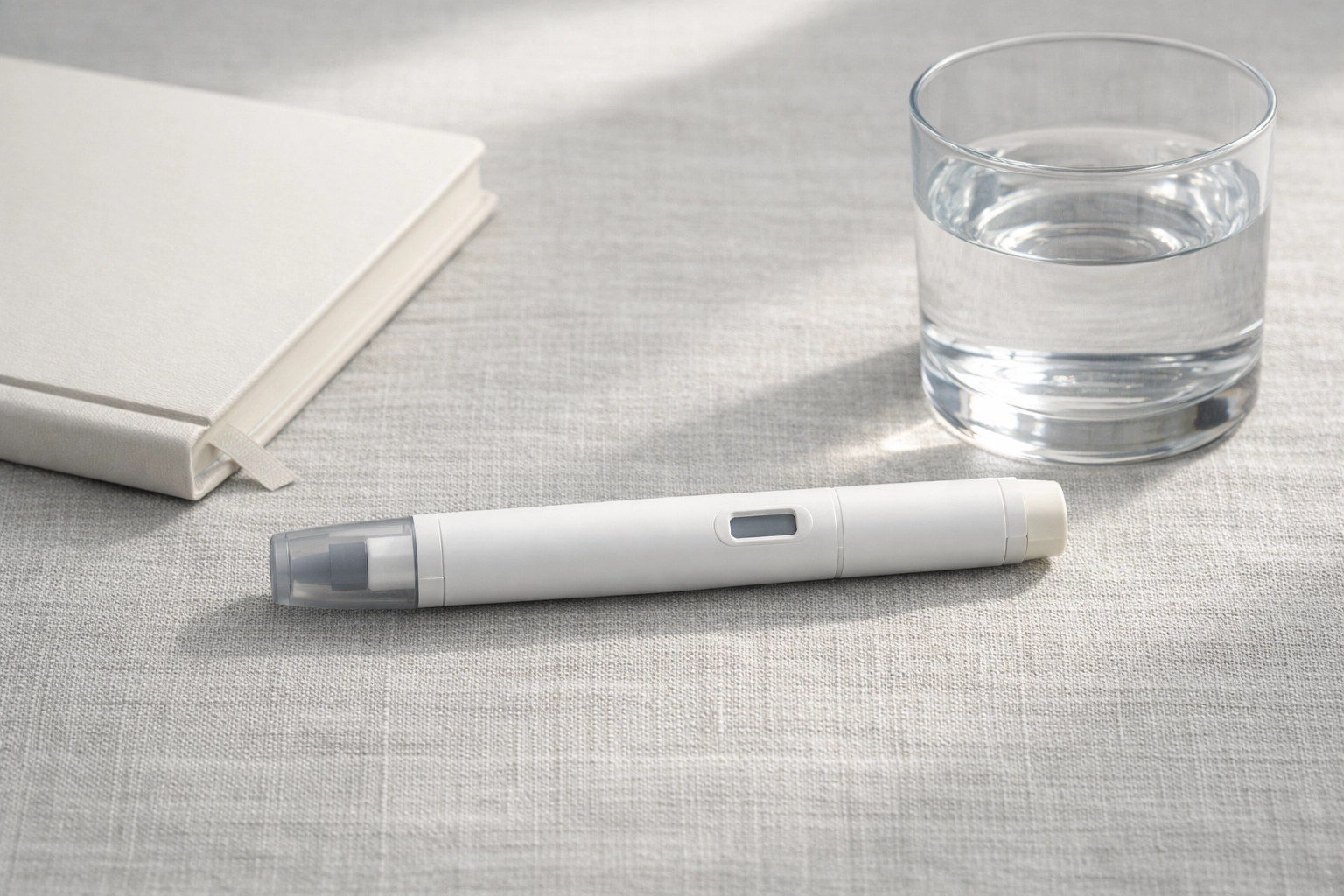
The "smart" pens used to deliver these drugs are also marvels of medical technology, designed to be nearly painless and fool-proof. The evolution from the daily injections of the early 2000s to the sleek, once-weekly autoinjectors of 2026 highlights the rapid pace of innovation in this sector.
Pros and Cons of the GLP-1 Class
Pros:
- Significant Weight Loss: Clinical trials show 15% to 22% body weight reduction for top-tier drugs.
- Blood Sugar Control: Highly effective at lowering A1C levels.
- Heart Health: Proven reduction in cardiovascular risks for many users.
- Appetite Suppression: Effectively "turns off" food noise in the brain.
Cons:
- Gastrointestinal Side Effects: Nausea, vomiting, and diarrhea are common during the titration phase.
- Cost: Without insurance, these medications can be expensive.
- Long-term Commitment: Research suggests weight may return if the medication is discontinued without lifestyle changes.
- Injection-based: Most require a needle, which can be a barrier for some.
Choosing the Right Medication
The "best" drug on the glp 1 drugs list isn't the same for everyone. Your choice depends on several factors:
- Your Medical Goal: Is it primarily weight loss, or are you managing diabetes?
- Administration Preference: Can you handle a daily injection (Saxenda), or do you need a weekly one (Wegovy/Zepbound)? Would you prefer a pill (Rybelsus)?
- Insurance Coverage: This is often the deciding factor. Check your formulary to see which glp 1 medications are covered under your plan.
- Side Effect Tolerance: Some users find they tolerate one active ingredient better than another.
Conclusion: A New Era of Metabolic Health
The expansion of the list of glp 1 medications represents a paradigm shift in how we treat obesity and metabolic dysfunction. We have moved from a "willpower-only" model to a biological model that addresses the hormonal root causes of weight gain.
Whether you are looking at the heavy hitters like Zepbound and Wegovy or the foundational drugs like Victoza, the options have never been better. As technology continues to integrate with healthcare: from smart scales to advanced glucose monitors: managing your health on these medications will only become more streamlined.
Final Summary Verdict:
- Efficacy Leader: Tirzepatide (Zepbound/Mounjaro)
- Convenience Leader: Semaglutide (Wegovy/Ozempic)
- Oral Alternative: Rybelsus
- Legacy Reliable: Liraglutide (Saxenda/Victoza)
For more deep dives into health tech and product comparisons, visit our Reviews section or see our breakdown of the latest health gadgets.
Disclaimer: This guide is for informational purposes only and does not constitute medical advice. Always consult with a healthcare professional before starting any new medication.